Your roof is one of the most important parts of your home, protecting you from the elements and ensuring your family’s safety. When your roof is damaged due to storms, hail, or other factors, you may be wondering if your homeowner’s insurance will cover the cost of a replacement. Here in Greenville, NC, the weather can be unpredictable, and many homeowners have found themselves needing roof repairs or replacements after severe storms.
At WJ Smith Construction Roofers, we understand how frustrating the process of dealing with insurance companies can be. This guide will help you navigate through it, and if you ever need help with your roof replacement, we’re here to make the process as easy as possible for you.
Step 1: Understand Your Insurance Policy
The first step is to carefully review your homeowner’s insurance policy. Not every insurance policy covers roof replacement, so it’s important to know what yours includes. Policies typically fall into two categories:
- Replacement Cost Policy: This covers the full cost to replace your roof based on current market prices, minus your deductible.
- Actual Cash Value (ACV) Policy: This covers the cost of your roof, but factors in depreciation. This means the older your roof is, the less money you’ll receive for a replacement.
If you’re unsure what type of policy you have, you can call your insurance company or check the details in your policy documentation.
Step 2: Know What Causes Are Covered
In Greenville, NC, certain weather events—like hurricanes, hail, and strong storms—are common causes of roof damage.
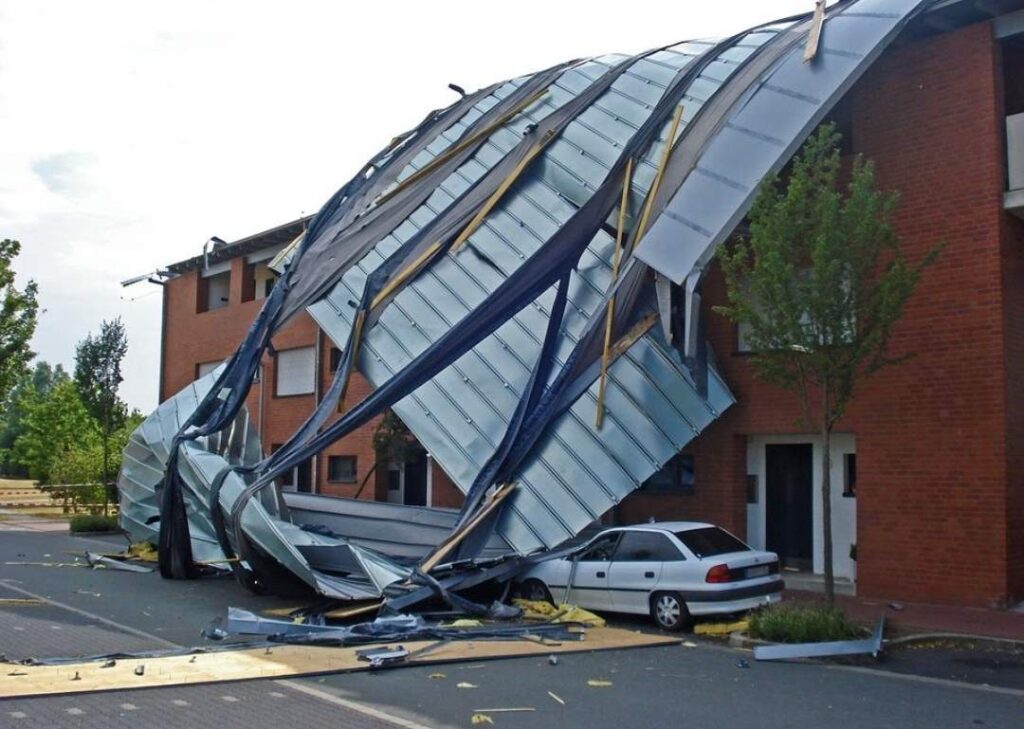
Insurance policies generally cover damage caused by “acts of nature,” which include:
- Hail Damage: Hail can cause severe dents and punctures to your roof.
- Wind Damage: Strong winds can tear shingles off or cause other structural damage.
- Falling Trees and Debris: If a tree or branch falls on your roof during a storm, insurance may cover the repairs or replacement.
However, if your roof has been damaged due to poor maintenance or regular wear and tear, your insurance is less likely to cover the replacement.
Step 3: Document the Damage
Once your roof is damaged, it’s crucial to document the damage as soon as possible. Insurance companies rely heavily on proof, and the more evidence you have, the easier it will be to get coverage. Here’s what you should do:
- Take Photos and Videos: Capture every angle of the damage. This should include both wide shots of the entire roof and close-ups of specific areas where shingles are missing, cracked, or torn.
- Keep Records of the Storm: If the damage was caused by a storm, keep track of the date and any official reports about it. Weather reports can help support your claim.
- Call a Professional Roofing Contractor: It’s a good idea to have a local roofing company come out and perform an inspection. We’ll provide a detailed report that you can submit to your insurance company.
Step 4: File Your Claim
Now that you’ve gathered all your documentation, it’s time to file your insurance claim. The process may seem daunting, but following these steps will help streamline it:
- Call Your Insurance Company: Let them know about the damage as soon as possible. They will walk you through the specific steps required to file a claim.
- Submit All Documentation: Provide your photos, videos, storm records, and the roofing inspection report from a roofing company to your insurance company.
- Schedule an Adjuster’s Visit: Your insurance company will likely send out an adjuster to assess the damage. Be sure to be there during the inspection.
Step 5: Get Professional Roofing Assistance
Once your claim is approved, it’s time to choose a roofing contractor. Many insurance companies will suggest contractors, but remember, you have the right to choose the roofing company you trust. Here’s why WJ Smith Construction Roofers should be your first choice:
- Local Expertise: As a Greenville-based roofing company, we understand the unique challenges roofs face in our area, from hurricanes to high humidity.
- Insurance Expertise: We’ve helped countless homeowners navigate the insurance process, and we’ll work directly with your adjuster to ensure the roof replacement is fully covered.
- High-Quality Work: We use only the best materials and follow the highest industry standards to ensure your new roof lasts for years to come.
Step 6: Get Your Roof Replaced
Once the insurance company has given the green light, it’s time to get your roof replaced.
- Free Estimate: We’ll provide you with a free, no-obligation estimate based on the scope of the work and your insurance coverage.
- Timely Service: We know how important it is to get your roof fixed quickly, especially after a storm. Our team will work efficiently to ensure your new roof is installed as soon as possible.
- Quality Assurance: We stand by the quality of our work. Once the roof is installed, we’ll walk you through the project to ensure it meets your expectations.